



Sexual health is not just about the act of sex — it’s about the mind, the body, and the connection we share with ourselves and our partners. Yet, despite being a vital part of life, it’s often clouded by myths, shame, and silence.
Being sexually healthy means feeling confident, informed, and respected — whether you’re a man or a woman.
* What Is Sexual Health?
According to the WHO, sexual health is a state of physical, emotional, mental, and social well-being related to sexuality.It isn’t merely the absence of disease or dysfunction — it’s about having a positive and respectful approach to sexuality and relationships.
For both men and women, this includes:
• Understanding one’s body and boundaries
• Practicing consent and respect
• Preventing infections and promoting hygiene
• Managing emotional and hormonal well-being
• Feeling comfortable seeking medical help when needed

* Common Myths — Busted
Myth 1: “Sexual health is only about reproduction.”
> Truth: It’s also about pleasure, comfort, and emotional satisfaction.
Myth 2: “Men don’t need to worry about hygiene.”
> Truth: Regular cleaning, safe practices, and protection are essential to prevent infections and maintain sperm health.
Myth 3: “Women should avoid discussing sexual needs.”
> Truth: Open conversations between partners improve intimacy, trust, and satisfaction.
Myth 4: “Loss of desire means something’s wrong.”
> Truth: Libido naturally fluctuates with stress, hormones, sleep, and emotional state. It’s normal — and treatable if persistent.
❤ For Women
• Women’s sexual health is deeply connected to hormones, emotions, and reproductive cycles.
• Vaginal pH (3.5–4.5) keeps good bacteria healthy and infections away.
• Hormonal changes during menstruation, pregnancy, and menopause can affect libido, mood, and comfort.
• Stress, poor sleep, or body image issues can lower confidence and desire.
Doctor tip: Prioritize self-care, pelvic floor exercises, and regular gynaecological check-ups.
*For Men
• Men’s sexual health goes beyond performance — it’s about overall vitality.
• Erectile dysfunction and premature ejaculation are often linked to stress, smoking, or metabolic issues — not just age.
• Testicular self-exams, balanced hormones, and heart health are vital indicators of sexual well-being.
• Hygiene, fitness, and emotional openness play equal roles.
Doctor tip: Avoid performance pressure. Focus on communication, healthy habits, and stress management.
The Mind–Body Connection
Your brain is your biggest sexual organ. Anxiety, guilt, relationship issues, and poor self-image can all affect desire and satisfaction.
Practices like mindfulness, exercise, and honest communication strengthen both emotional and physical intimacy.
* How to Maintain Healthy Sexual Well-being
• Practice safe sex and use protection.
• Maintain intimate hygiene — mild, pH-balanced products only.
• Eat a nutrient-rich diet and stay hydrated.
• Get 7–8 hours of sleep.
• Avoid alcohol, tobacco, and chronic stress.
• Don’t ignore red flags like pain, discharge, or erectile issues — see your doctor early.
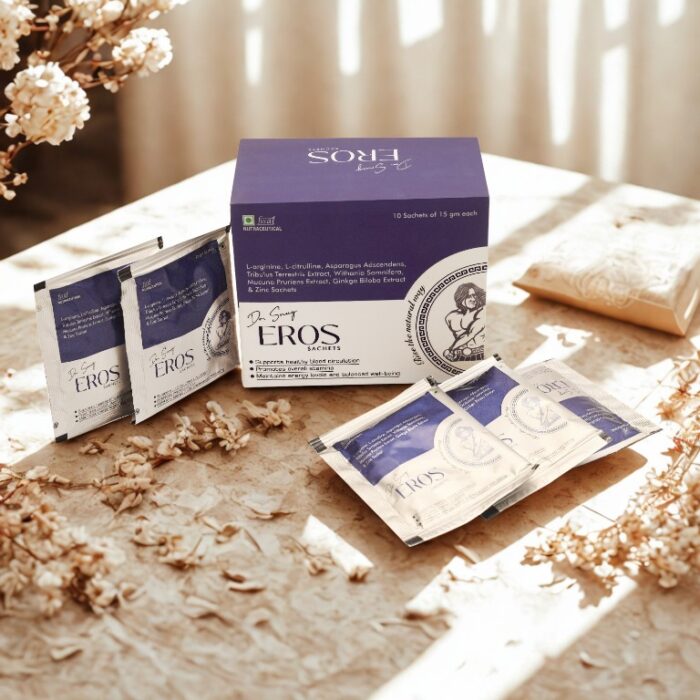
:- Dr Snug: For Comfort, Confidence & Care
Dr Snug is a doctor-designed brand that brings Ayurveda and modern science together for complete sexual wellness — for both men and women.Because true sexual health is about balance — body, mind, and intimacy.
* Dr Snug – Designed by Doctors, Backed by Science, Inspired by You.